
Can I qualify for life insurance using just my phone camera?
Can you qualify for life insurance using just your phone camera? Here is how camera-based screening fits into accelerated underwriting and who it may help.
Insights on health technology, vitals monitoring, and wellness from the AY Health Benefits team.

Can you qualify for life insurance using just your phone camera? Here is how camera-based screening fits into accelerated underwriting and who it may help.

Can life insurance be approved in under 24 hours? A clear look at accelerated underwriting, instant decisions, and where same-day approvals still break down.

Insurance health check data collected in life underwriting: what carriers measure, why they ask for it, and how digital evidence is changing the process.

A research-based look at life insurance no nurse visit options, accelerated underwriting, digital evidence, and why some applicants skip paramed exams.

Life insurance blood draw alternative options are growing, but many carriers still collect fluids. Here's why blood work remains in the workflow in 2026.

Five metrics life insurance carriers should track when integrating rPPG into accelerated underwriting programs, from eligibility rates to signal quality under real-world conditions.

How contactless vitals data from rPPG can calibrate mortality tables for life insurance underwriting, with research on resting heart rate, HRV, and actuarial modeling.

How evidence of insurability works in life insurance, why the traditional EOI process loses applicants, and what digital EOI means for carriers and employers in 2026.

A practical framework for running an insurtech vitals assessment proof of concept against your existing book, with metrics, timelines, and lessons from carriers who've done it.

How MGA digital underwriting programs differ from carrier-led initiatives in 2026, from speed and technology adoption to regulatory structure and health data integration.

Paramedical exam alternatives using smartphone scans are cutting vendor costs for life insurers. Analysis of pricing, logistics, and where the industry is heading.

Reflexive underwriting uses digital vitals data to replace tele-interviews in life insurance, cutting costs and cycle times while improving applicant experience.

How rPPG accuracy validation against clinical-grade devices works: Bland-Altman analysis, ISO standards, benchmark datasets, and what the research actually shows.

Life insurers are moving beyond static risk classes. Here's how real-time biometric risk bands from rPPG and wearable data reshape product tiering for carriers and actuaries.

Underwriting bottlenecks from paramedical exams to manual data entry slow policy issuance. Here's how contactless health screening eliminates seven of the worst offenders.

How contactless vitals data from rPPG technology is changing actuarial assumptions in life insurance underwriting, and what actuaries should evaluate.

How digital health assessments are reshaping voluntary benefits enrollment, from contactless biometric screening to real-time underwriting at the point of election.

Build a compelling board-level business case for digital underwriting, with ROI frameworks, industry benchmarks, and implementation timelines insurance executives actually use.

Emerging markets insurance underwriting technology is skipping legacy systems entirely. Analysis of mobile-first underwriting in Africa, Asia, and Latin America.

Fluidless underwriting programs are replacing lab-based life insurance exams at scale. Analysis of which carriers are succeeding, the data sources driving decisions, and what's actually working in 2026.

A breakdown of what insurance underwriting tasks are actually automated in 2026, what still requires human judgment, and where the industry is headed next.

Fluidless and no-lab life insurance underwriting is replacing paramedical exams at scale. Analysis of carrier adoption, data sources, and what's actually working in 2026.

How predictive underwriting models use health screening data and machine learning to reshape life insurance risk assessment and mortality pricing.

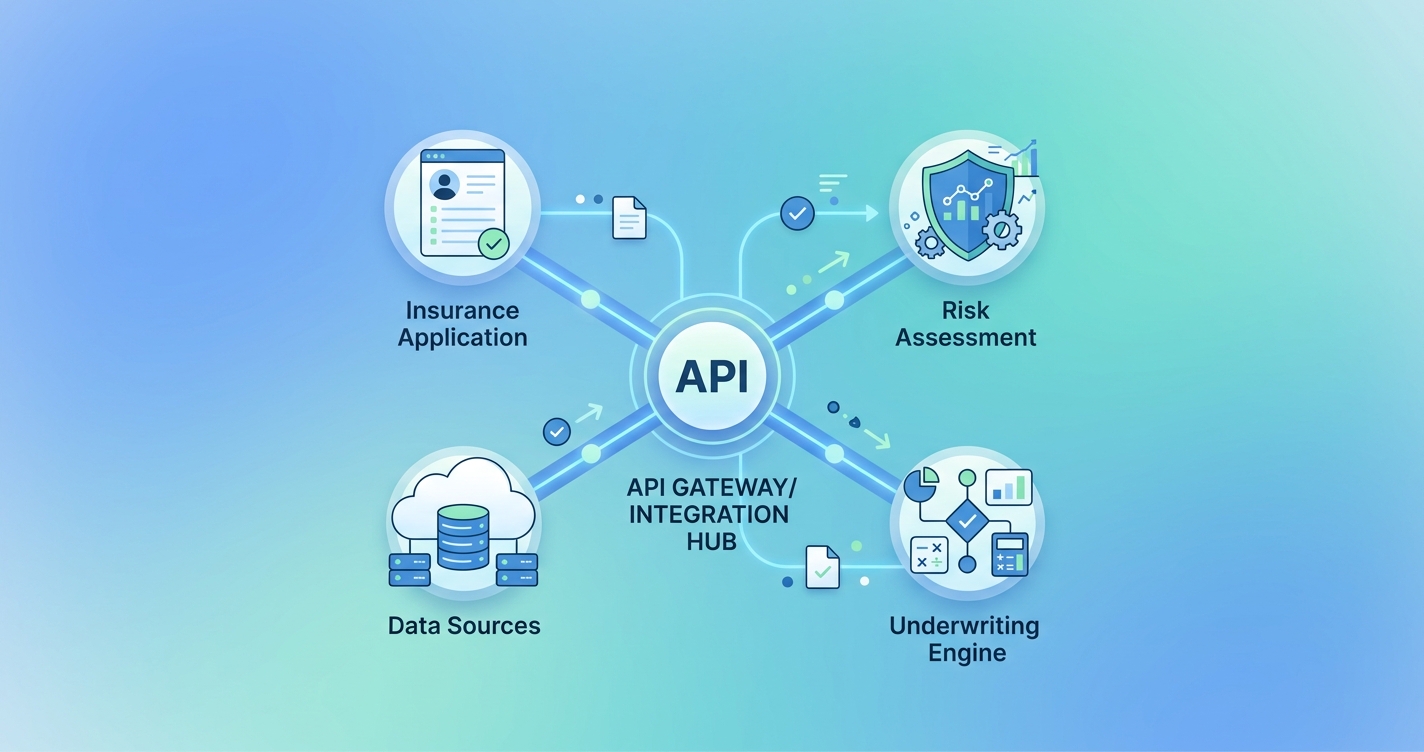
A practical guide to building underwriting APIs for life insurance, covering integration architecture, data standards, and real-world implementation patterns.

How biometric data insurance privacy compliance works across BIPA, GDPR, and state laws — what carriers and insurtechs need to know about consent, storage, and liability.

How contactless vitals reduce underwriting fraud by capturing real-time biometric data during the application process, closing gaps that self-reported health data leaves open.

How digital health data from EHRs, prescription histories, and contactless screening is changing mortality risk assessment for life insurance actuaries.

Embedded insurance integrates coverage into purchase journeys with real-time health checks at point of sale, replacing traditional underwriting delays for carriers and MGAs.

How group life insurers scale digital health assessments across thousands of employees, replacing manual enrollment processes with faster, data-driven underwriting.

Insurance application abandonment rates cost carriers billions annually. Learn what drives applicants to drop off and how digital health screening fixes the friction.

A breakdown of the modern insurtech stack for life insurance carriers, from core systems to API layers, and where contactless vitals screening fits in.

What MGAs are, how they operate in life insurance, and how digital underwriting technology is changing the MGA model for faster, data-driven risk selection.
Analysis of how digital health screening reduces policy issuance time for life insurers, with data from Swiss Re, Gen Re, and LIMRA on cycle times and placement rates.

How reinsurers assess digital health underwriting programs, from mortality slippage measurement to data source validation and treaty pricing adjustments.

Digital underwriting life insurance uses AI, data analytics, and contactless health screening to replace legacy processes. Industry analysis of adoption, costs, and outcomes.

rPPG insurance health screening uses camera-based photoplethysmography to measure vital signs from facial video. Analysis of how carriers deploy this technology in underwriting workflows.

Life insurance underwriting technology in 2026 is defined by AI-driven decisioning, contactless vitals, and EHR integration. Analysis of the platforms, data sources, and strategies reshaping carrier operations.

Digital vs traditional underwriting cost and speed analysis with data from Gen Re, McKinsey, and Deloitte. Side-by-side comparison for life insurance carriers.

Contactless health screening insurance applications use camera-based rPPG to measure vitals without exams. Analysis of the technology, evidence, and carrier impact.

Accelerated underwriting life insurance guide for carriers: adoption data, evidence sources, mortality outcomes, and the technology stack driving next-generation programs.